When Should You Hire a Professional for Roof Snow Removal in Massachusetts?
Learn what to ask about professional roof snow removal and what information to share without climbing or approaching falling snow.
The short answer
- Request professional help for concerning drifts, repeated accumulation, ice buildup, or snow threatening an entrance.
- If you are concerned about immediate danger, leave if you can do so safely and call 911 from a safe location.
- Ask a professional to assess your concern rather than deciding from snow depth alone.
- Stay off the roof and away from falling snow; gather information only from safe locations.
Separate a snow removal concern from a possible emergency
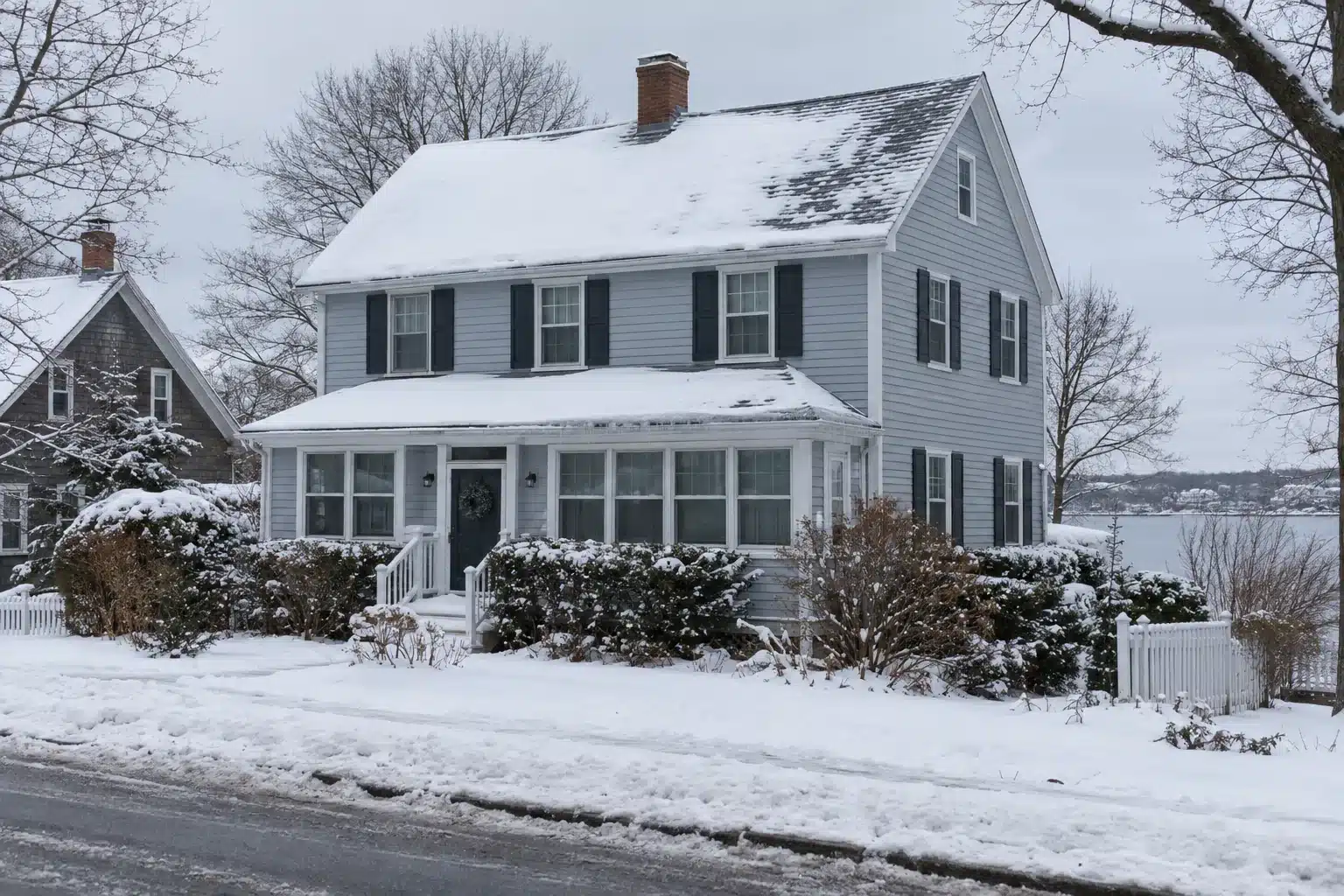
Hire a professional when roof accumulation raises concerns and addressing it would involve climbing, overhead work, or exposure to falling snow. Substantial drifting, repeated storms without much melting, and ice buildup justify a call before conditions worsen.
If you are concerned about immediate danger, leave the building if you can do so safely and call 911 from a safe location outside, clear of falling snow and debris. Explain the roof accumulation and what changed. If you cannot exit safely, call 911, give your location, and follow the dispatcher's instructions. Do not enter the attic to investigate or remain inside awaiting a removal appointment.
Nehemias Landscaping & Construction offers roof snow removal as part of its residential snow removal services in Essex and Middlesex County, including Lynn and Salem.
Ask about an assessment of your particular roof
Ask a professional what information is needed to assess your roof snow concern. Discuss any known issues with the roof and ask who should address questions about its capacity.
Do not climb up to measure, collect snow samples, or attempt a load calculation.
Observe conditions without entering the fall zone
Homeowner observations should come from safe locations, without climbing or standing beneath the roof. Outside, use stable footing well away from eaves, roof edges, overhead wires, and anywhere snow could slide or land.
Skip any view that requires crossing ice, using a ladder, or approaching hanging snow. From an already safe position, look for:
- Uneven drifts around valleys, dormers, and roof transitions.
- Accumulation on a lower roof beneath an upper roof slope.
- A substantial ice ridge along an edge.
- Snow projecting beyond the roof edge.
- Existing fallen snow.
- An apparent change in the roofline.
Use your phone's zoom rather than moving closer. Take an overall photo and a closer view from the same safe position. Never approach a damaged or fallen wire, and do not walk under an overhang for a better angle.
Keep children and pets away from exposed areas. Tell household members which entrances or paths to avoid when another safe route is available. Do not walk into a fall zone to place cones or barriers.
If darkness, trees, or the building layout block your view, report that limitation. Do not rely on photos to resolve a safety concern. If you suspect immediate danger, stop gathering information and follow the emergency guidance above.
Recognize leaks, ice dams, and entrance hazards
Nehemias offers roof snow removal to help prevent ice dams, leaks, and structural damage.
When water appears inside
A new stain or drip during snowy weather warrants prompt attention from a roofing professional. Describe whether it appears near an outside wall, chimney, or skylight, without assuming that the visible location identifies the source.
Keep people out of the affected area. If you notice a bulging or sagging ceiling, do not stand underneath it or puncture it to release water. Leave safely and call 911. Stay away from water near lights, outlets, or electrical equipment. Do not touch wet equipment, operate nearby switches, or enter standing water; leave electrical assessment to a licensed electrician and seek emergency help for immediate danger.
When snow threatens a doorway or walking route
Overhanging snow or repeated shedding onto an entrance deserves professional attention even without a leak. Use another safe entrance when possible, staying clear of the landing area.
Leave roof access, ice chopping, and work around wires or roof-mounted equipment to professionals. Do not use torches, improvised heating, or attempts to knock ice loose from below. Stay clear of icicles.
Prepare useful details and clarify the proposed work
After addressing any emergency signs, give the contractor a clear account of the concern. Share information you already know or can obtain safely; there is no need to investigate concealed areas.
- Property details: Your town, house type, and whether the affected roof covers the main home, garage, porch, or addition.
- Weather sequence: Recent snowfalls, intervening rain, and whether earlier accumulation remained.
- Location: Which roof section has drifting, ice, overhanging snow, or another concern.
- Symptoms: Leaks, stains, unusual sounds, visible changes, or suddenly binding doors or windows. Report emergency signs to responders first.
- Known features: Previous damage or repairs, solar panels, skylights, and roof-mounted equipment.
- Access constraints: Narrow side yards, fences, overhead wires, neighboring property, and obstacles hidden beneath snow.
Ask how the contractor would approach your particular roof and protect roofing materials, gutters, and roof-mounted features. Clarify where removed snow would land and how entrances, basement bulkhead doors, and walking routes would remain accessible.
Also establish which roof sections the proposed work includes and what conditions could prevent safe work. Clarify the scope rather than assuming it includes driveway clearing, leak repair, or structural evaluation.
You can request an estimate from Nehemias and describe your roof snow concern. Mention any active leak or known structural issue. Ask whether a roofer or structural engineer should also assess your concern.
Reassess after weather changes and keep a roof history
Revisit your roof snow concerns throughout the winter. Review the forecast and discuss an existing concern before another storm adds to it.
Keep a short record of the affected roof section, when you noticed the issue, and any service performed. Save photos taken from safe locations. After removal, ask which areas were addressed and whether the contractor noticed anything that needs evaluation by a roofer or structural engineer.
Ask what condition to expect after removal rather than assuming the surface should be scraped completely bare. Do not attempt to finish remaining areas yourself.
Once conditions are safe and the snow is gone, arrange appropriate professional evaluation of recurring leaks, damaged roofing, or repeated ice dams.
Common questions
Should I wait until the snow stops before calling a professional?
Call to describe your concern and ask how weather, access, and roof conditions will be considered before removal.
Does a steep roof mean I do not need snow removal?
Do not decide from roof pitch alone. Ask a professional about the accumulation on each roof section, including lower roofs. Describe concerns near an entrance or walking route without approaching the shedding area.
Can I use a roof rake instead of hiring someone?
Ask a qualified professional whether a roof rake is appropriate for your roof and site before attempting any work. Leave removal to professionals wherever safe positioning and clearance cannot be assured; never use a ladder or stand beneath falling material.
Will roof snow removal stop an existing leak?
Ask a roofing professional to evaluate an active leak rather than assuming snow removal will resolve it. Clarify the proposed snow removal work separately.