
How to Install a Flagstone Patio with Grass Joints in 2025
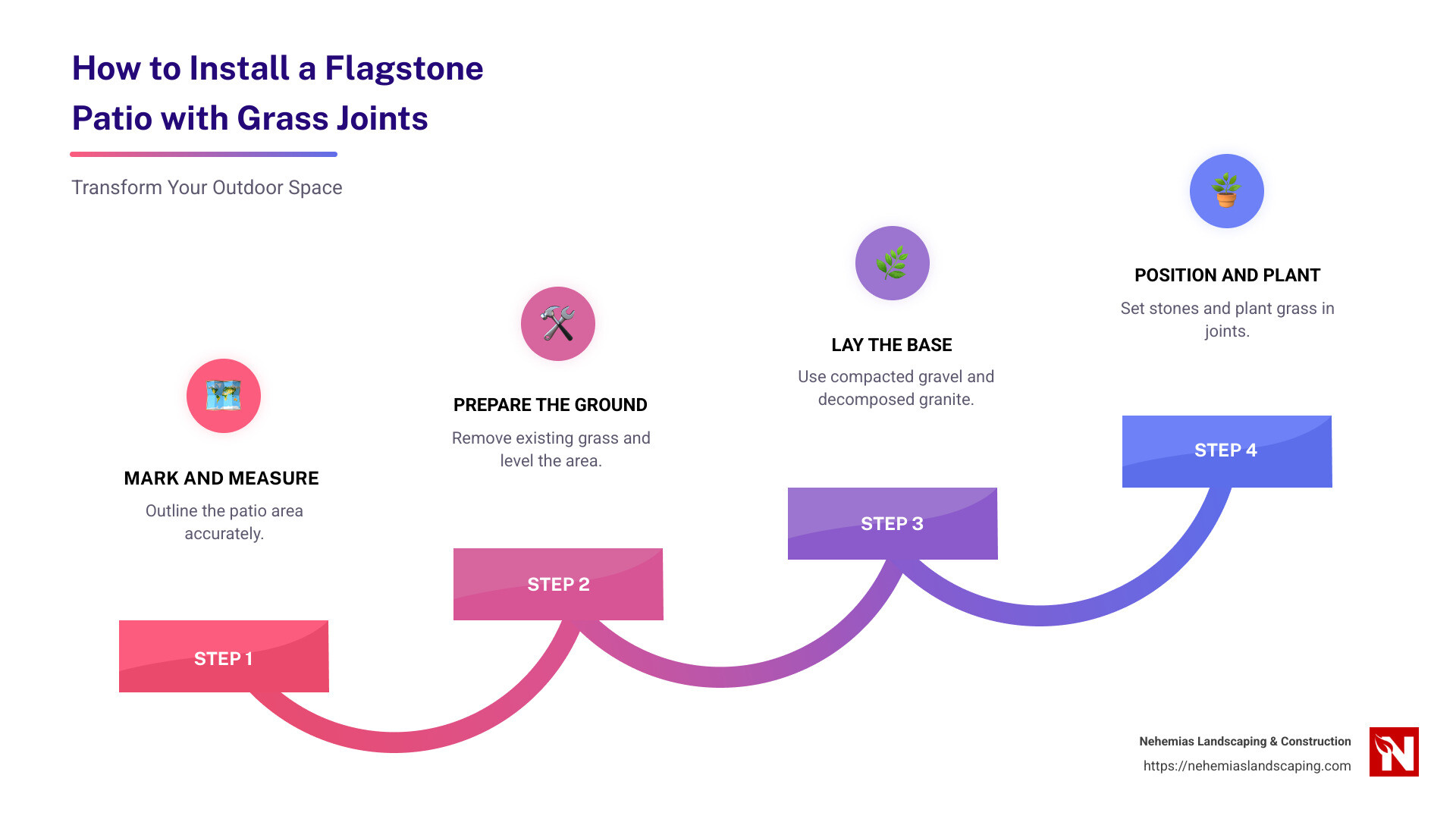
How to install a flagstone patio with grass joints may sound like a daunting task, but with the right approach, it can be a straightforward DIY project that transforms your outdoor space into a stunning natural retreat. Here’s a quick overview to get started:
- Mark and Measure – Outline the area for your patio.
- Prepare the Ground – Dig out existing grass and level the area.
- Lay the Base Layer – Use compacted gravel and decomposed granite.
- Position the Flagstones – Set the stones with consistent spacing.
- Fill the Joints – Plant grass or use decomposed granite.
- Maintain the Look – Water grass regularly and enjoy the space!
Flagstone patios have become a favorite among homeowners seeking both beauty and practicality for their backyards. Combining natural charm with durability, these patios fit seamlessly into numerous design styles, from classic to modern. The timeless design of flagstone, characterized by its earthy tones and organic shapes, invites compliments and footsteps alike. With the added elegance of grass joints, these patios don’t just look good—they harmonize with their surroundings, making your yard a true oasis.
But why flagstone? Not only does it offer unparalleled aesthetic appeal, but it also provides functional pathways that stand the test of time. These paths naturally reduce lawn wear and offer safe, non-slip surfaces that guide guests through your garden with ease.
Whether you’re a DIY enthusiast or prefer professional installation, understanding the basics will help you achieve a seamless result. Read on to explore more about the process and benefits of installing a flagstone patio with grass joints.
How to install a flagstone patio with grass joints terms made easy:
– flagstone patio cost per square foot installed
– how much does it cost to install a flagstone patio
– labor cost to install flagstone patio
Understanding Flagstone
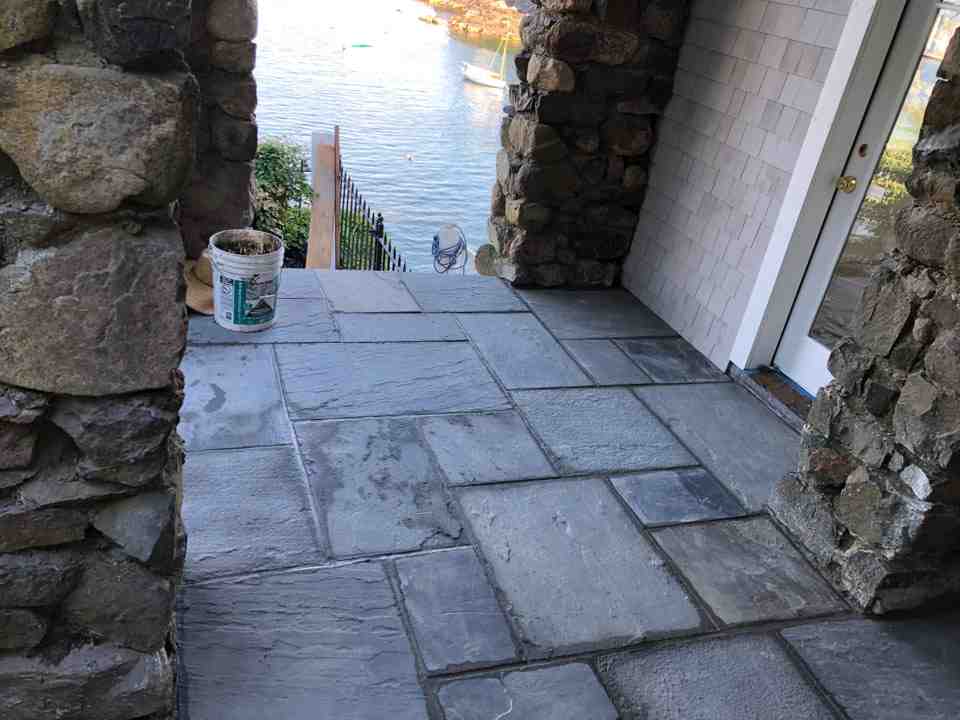
Flagstone is a popular choice for patios due to its natural beauty and versatility. It’s a type of sedimentary rock, often sandstone, that is both lightweight and heat-resistant. This makes it perfect for outdoor spaces where you want to enjoy sunny days without the worry of hot surfaces.
One of the main appeals of flagstone is its variety. It comes in multiple sizes and colors, allowing you to create a unique look that complements your home and garden. Whether you prefer earthy browns, cool grays, or warm reds, there’s a flagstone to match your vision.
Sedimentary Sandstone
Most flagstone is made from sedimentary sandstone, which means it’s formed from layers of sand compressed over time. This gives it a natural, layered look that adds texture and depth to any patio. Despite being lightweight, sandstone is surprisingly durable, making it a long-lasting choice for outdoor projects.
Lightweight and Heat-Resistant
Flagstone’s lightweight nature makes it easier to handle during installation, especially for DIY projects. It’s also heat-resistant, which means it won’t absorb and retain heat like some other materials. This is particularly beneficial for patios, where you want a comfortable surface to walk on even during the hottest summer days.
Various Sizes and Colors
When planning your flagstone patio, consider the wide range of sizes and colors available. Large slabs can create a bold statement, while smaller pieces offer a more intricate design. The colors can range from subtle neutrals to vibrant hues, allowing you to customize your patio to fit the overall aesthetic of your outdoor space.
Incorporating flagstone into your patio design not only improves the visual appeal but also ensures a durable and functional surface. As you plan your project, keep these qualities in mind to make the most of this exceptional material.
How to Install a Flagstone Patio with Grass Joints
Creating a flagstone patio with grass joints combines the elegance of stone with the natural beauty of greenery. This guide walks you through the steps to achieve a patio that looks great and lasts for years.
Preparing the Ground
Measure and Mark
Start by measuring the area where you want to install your patio. Use stakes and mason’s lines to mark the perimeter. Ensure the layout is square by measuring diagonally between opposing corners. Adjust until both diagonal measurements are equal.
Clear Grass
Remove all grass and vegetation within the marked area. This ensures a clean slate for your patio and helps prevent weeds from growing through the flagstones.
Create Base Layer
A solid base is crucial for a stable patio. Begin by laying a road base of compactible gravel. Add a 2-inch layer, rake it smooth, and tamp it down with a hand tamp or plate compactor. Repeat with another 2-inch layer, ensuring the base is level.
Add Coarse Sand and Landscape Fabric
Spread a layer of coarse sand over the compacted gravel. This helps with drainage and provides a smooth surface for laying the flagstones. Consider adding landscape fabric to further prevent weed growth.
Laying the Flagstone
Flat Placement and Spacing
Arrange the flagstones on the prepared base, keeping each stone flat. Leave space between the stones for grass to grow. Aim for consistent spacing to create a uniform look.
Stability Check
After placing the flagstones, check their stability. Each stone should sit firmly without rocking. Adjust by adding or removing sand underneath as needed. A carpenter’s level can help ensure the stones are even.
Fill Gaps and Add Edging
Once the stones are stable, fill the gaps between them with soil, leaving room for grass to grow. Consider adding edging around the patio to keep the stones and soil in place.
Planting Grass Between Flagstones
Low-Growing Seed or Pre-Seeded Planter
Choose a low-growing grass seed that thrives in your climate. Alternatively, use a pre-seeded planter for quicker results. This grass should be hardy enough to withstand foot traffic.
Regular Watering
Water the grass regularly to encourage growth. Consistent moisture helps the grass establish itself between the stones, creating a lush, green look.
By following these steps, you’ll have a beautiful flagstone patio with grass joints that improves your outdoor space. Stay tuned for the next section where we’ll discuss the materials needed for installation.
Materials Needed for Installation
Building a flagstone patio with grass joints doesn’t just require skill; you’ll need the right materials and tools to get the job done efficiently. Here’s a quick rundown of what you’ll need:
Flagstone Slabs
Flagstone slabs are the stars of this project. These natural stones come in various sizes, shapes, and colors, allowing for a custom look that suits your style. When purchasing, aim for slabs that are at least 1-1/2 inches thick for durability. You can buy flagstones by the pallet, which typically covers about 120 square feet and costs between $1,400 and $1,500.
Sand
Sand is essential for creating a stable base and filling gaps between the stones. You’ll need coarse sand to lay over the compacted gravel base, which aids in drainage and helps level the stones. Additionally, sand can be used to fill joints, providing a clean look while allowing grass to grow.
Shovels
You’ll need a couple of shovels to handle the groundwork. A regular shovel is perfect for digging and removing soil, while a hand shovel is handy for finer adjustments and placing sand precisely.
Time and Energy
Installing a flagstone patio with grass joints is a labor-intensive project. Be prepared to invest a good amount of time and energy into it. The process involves measuring, digging, leveling, and adjusting each stone for stability and appearance. However, the effort pays off with a stunning patio that blends seamlessly with your outdoor space.
By gathering these materials and tools, you’ll be well-equipped to tackle the installation of your flagstone patio. In the next section, we’ll address some frequently asked questions about flagstone patios to help you make informed decisions.
Frequently Asked Questions about Flagstone Patios
When planning a flagstone patio with grass joints, several common questions arise. Let’s tackle some of these queries to help you make informed decisions.
What is the best material to fill flagstone joints with?
Choosing the right material to fill the joints between your flagstones is crucial for both aesthetics and functionality. Here are three popular options:
- Sand: Sand is a common choice for filling flagstone joints. It provides a neat appearance and supports drainage, allowing rainwater to pass through easily. Plus, sand is easy to work with and affordable.
- Small Rocks: If you prefer a more textured look, small rocks or gravel can be used to fill the joints. This option adds a rustic charm and is excellent for drainage. However, it might not be as comfortable to walk on barefoot.
- Mulch: For a natural, earthy look, consider using mulch. While it’s not as durable as sand or gravel, mulch can blend beautifully with surrounding plants and gardens.
Is flagstone cheaper than pavers?
The cost of flagstone compared to pavers can vary based on several factors. Generally, flagstone tends to be more expensive due to its natural beauty and unique shapes. Here’s a simple cost comparison:
- Flagstone: Prices for flagstone range from $15 to $30 per square foot, depending on the type and thickness of the stone. The cost can increase if you opt for rare colors or larger sizes.
- Pavers: Concrete pavers are typically more budget-friendly, costing between $3 and $10 per square foot. They offer uniformity and are easier to install, but they lack the natural appeal of flagstone.
While flagstone might have a higher upfront cost, many find its timeless beauty and durability worth the investment.
How much does flagstone cost?
Flagstone pricing can vary widely based on several factors:
- Price Per Square Foot: As mentioned earlier, expect to pay between $15 and $30 per square foot for flagstone. This price can fluctuate based on the region, stone quality, and supplier.
- Pallet Cost: When purchasing flagstone, it’s common to buy by the pallet. A single pallet typically covers about 120 square feet and costs between $1,400 and $1,500.
Keep these costs in mind when budgeting for your flagstone patio project. Investing in quality materials can improve the longevity and appearance of your outdoor space.
Understanding these aspects can help you make informed choices when planning your flagstone patio. Up next, we’ll explore the benefits of working with Nehemias Landscaping & Construction for your hardscaping needs.
Conclusion
At Nehemias Landscaping & Construction, we are passionate about changing outdoor spaces into beautiful and functional environments. Our expertise in installing flagstone patios with grass joints ensures that each project is completed with exceptional craftsmanship and attention to detail.
Flagstone patios are a stunning addition to any home, offering timeless appeal and a natural look that blends seamlessly with the landscape. The process of installing flagstone with grass joints adds a touch of greenery, creating a harmonious balance between stone and nature. This combination not only improves the aesthetic appeal but also provides a durable and slip-resistant surface, perfect for any outdoor area.
Our team at Nehemias Landscaping & Construction is committed to delivering high-quality services at affordable prices. We guide you through every step of the process, from the initial design to the final installation, ensuring that your vision becomes a reality. Whether you are enhancing your backyard or planning a large-scale outdoor renovation, our skilled professionals are here to help.
Choosing the right materials and installation techniques can significantly impact the longevity and beauty of your patio. That’s why we focus on using top-quality flagstone and proven installation methods, like dry-set techniques, to ensure your patio withstands the test of time.
If you’re ready to transform your outdoor space with a flagstone patio, contact us today to learn more about our services and how we can bring your dream patio to life. Let Nehemias Landscaping & Construction be your trusted partner in creating a stunning and functional outdoor environment.